
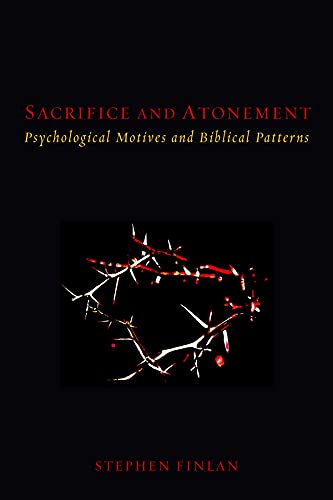
Sacrifice and atonement Psychological motives and Biblical patterns Stephen Finlan
Material type: TextLanguage: 0 eng Publication details: Minneapolis, U.S.A; The Fortress; 2016Description: 234tr; Paperback; 23cmISBN:
 - 9781506401966
- 220.07
- S828-F51
| Cover image | Item type | Current library | Home library | Collection | Shelving location | Call number | Materials specified | Vol info | URL | Copy number | Status | Notes | Date due | Barcode | Item holds | Item hold queue priority | Course reserves | |
|---|---|---|---|---|---|---|---|---|---|---|---|---|---|---|---|---|---|---|
 Sách
Sách
|
Thư Viện Cơ Đốc | Available | TVCD-5993 |
Here, Stephen Finlan surveys psychological theories that help us to understand beliefs about sacrifice and atonement and what they may reveal about patterns of injury, guilt, shame, and appeasement. Early chapters examine the language in both testaments of purity and the scapegoat, and of payment, obligation, reciprocity, and redemption. Later chapters review theories of the origins of atonement thinking in fear and traumatic childhood experience, in ambivalent or avoidant attachment to the parents, and in poisonous pedagogy. The theories of Sandor Rado, Mary Ainsworth, Erik Erikson, and Alice Miller are examined, then Finlan draws conclusions about the moral responsibility of appropriating or rejecting atonement metaphors. His arguments bear careful consideration by all who live with these metaphors and their effects today.
There are no comments on this title.